Guide
Roundabouts Without The Panic
Everyone in the northwest of the city knows the Coolmine roundabout. Almost nobody drives it right, and the learners who fail on a roundabout nearly always fail it the same way. Not because roundabouts are hard, but because they read the lanes as a polite suggestion and the tester reads them as law.
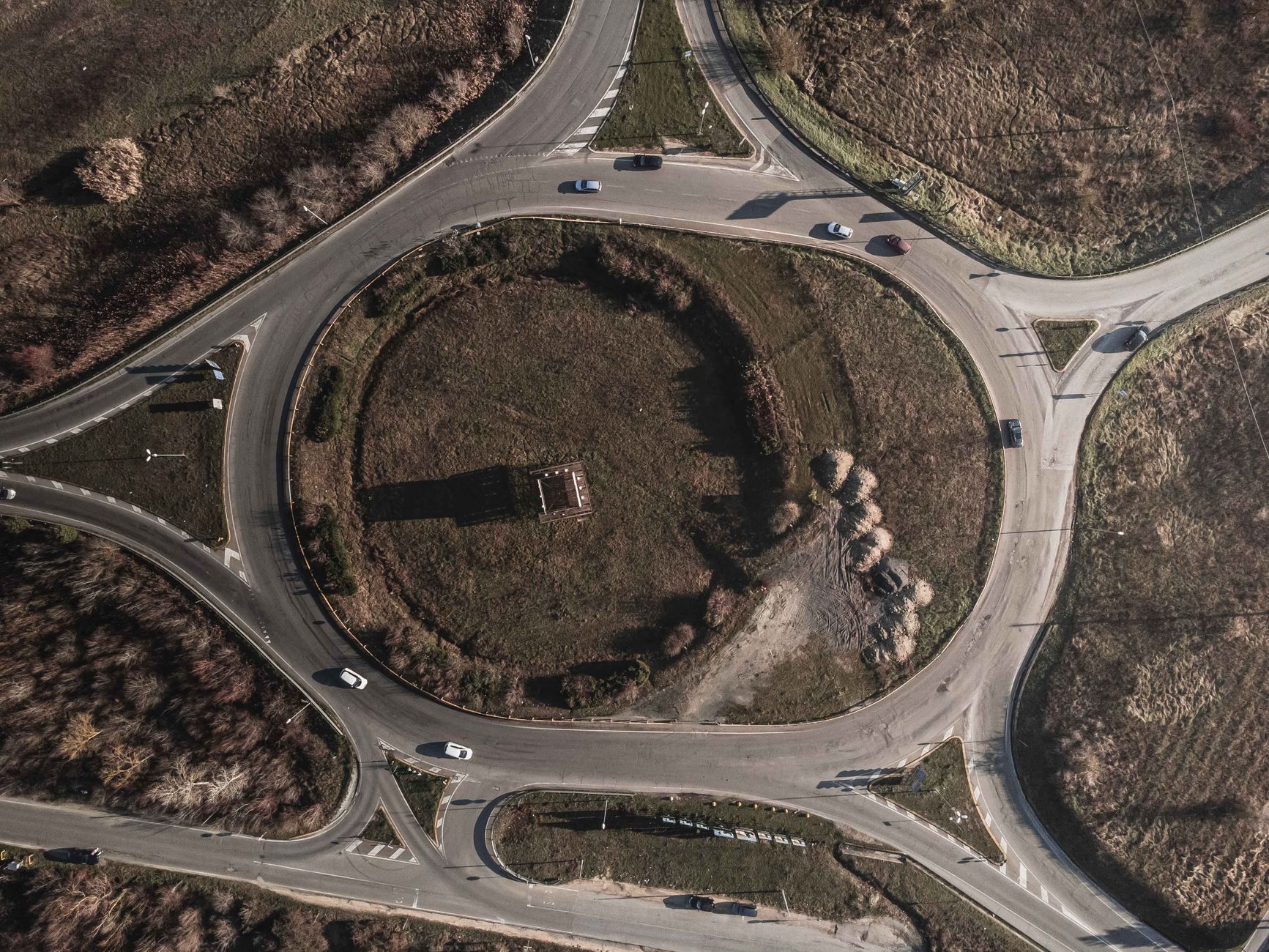
Yes, this is another article about roundabouts. It exists because roundabouts fail more tests than any other single thing on the sheet, so here we are, and it is worth five minutes of your time.
The lane, decided before you arrive
The mistake is deciding your lane at the roundabout. You decide it on the approach, early, while you still have room to move over. Here is the simple version. Going left or straight ahead, take the left lane. Going right, or all the way around, take the right lane and signal right on the approach. As you pass the exit before yours, signal left and come off. Straight ahead usually needs no signal going in, just a left signal as you leave. Sort all this out on the approach, not in the middle of the circle with a truck sitting on your shoulder.
Why cutting across is a grade three
If you sit in the right lane and then cut left across somebody to reach an early exit, that is not a tidy shortcut. It is a dangerous fault, a grade three, and one of those fails you on its own. The person you cut across on a real roundabout does not get a grade sheet, they get your door. Pick the correct lane early and you never once end up needing to cross anyone.
The lane, in short
- Left or straight
- Left lane. Left signal as you exit.
- Right or full round
- Right lane, right signal on approach, left signal past the exit before yours.
- Always
- Mirror before every signal. A signal you have not checked is worse than none.
The dawdler fails too
People think the danger is going too fast. Just as many fail for the opposite. The roundabout dawdler creeps up to a clear roundabout, stops dead at a gap you could fit a bus through, and holds up four cars behind. Hesitation that long is a fault in its own right. A roundabout wants a driver who looks early, judges the gap, and commits to it. If it is clear, go. If it is not, wait, but wait ready, not frozen with your foot hovering.
Every lane change and every exit on a roundabout starts with a mirror you genuinely read, then a signal you genuinely meant. The tester can tell a signal thrown out for the routine from a signal put out to tell somebody something. So can the truck coming up beside you.
Roundabouts sit in the middle block of the twelve EDT lessons for a reason. They need the car control from the early lessons already in place. Get the clutch and the mirror work solid first, and the roundabout stops being the thing you dread on the way to the test.