The test
Getting Ready For The Driving Test
The test runs about forty minutes, it costs a fee you would rather not pay twice, and it is not out to trap you. It is out to catch the one thing that would get a normal driver hurt at a real junction.
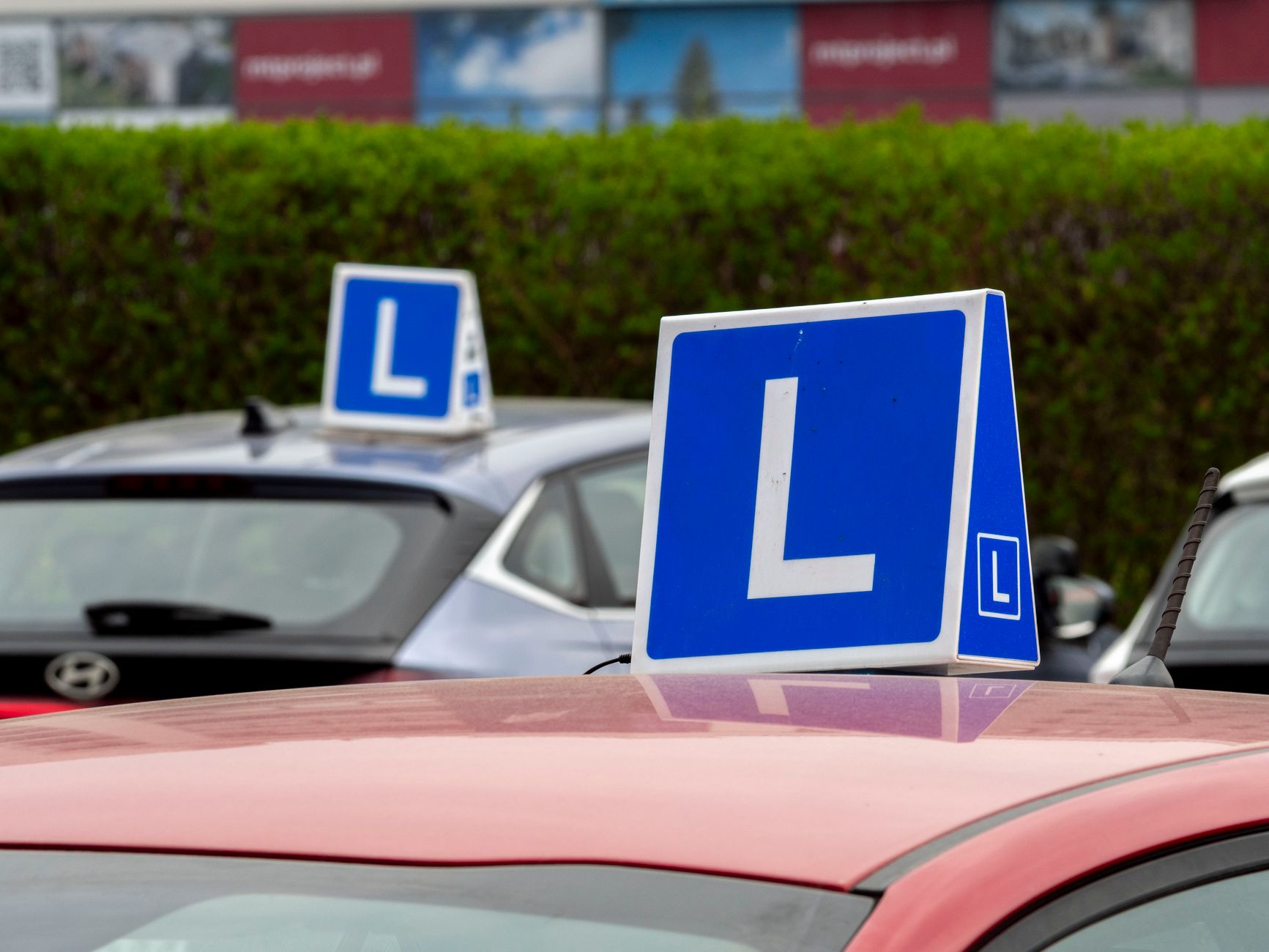
Nearly everyone arrives at the Finglas test centre certain the test is a trap. It is not. It is a checklist, and once you know what is on the list, the whole forty minutes gets a good deal less frightening.
What it actually checks
The tester wants to see that you can control the car, read the road, and make safe decisions without being told to. Faults are marked in grades. A grade one is a minor, and you are allowed a handful of them. A grade two repeated in the same category becomes a problem. A grade three is a straight fail on its own, because a grade three is the kind of mistake that hurts somebody. Rolling over a stop line, cutting across a lane on the Snugborough roundabout, missing that a bus was there, that is the territory a grade three lives in.
On the day
- Length
- Roughly forty minutes, including the eyesight check and a few technical questions.
- Bring
- Your learner permit, a properly taxed and insured car with L-plates, working lights and no warning lamp lit.
- Manoeuvres
- Usually a reverse around a corner or a turnabout, sometimes a hill start.
- Faults
- Grade one minor, grade two more serious, grade three an automatic fail.
How the day runs
You check in, read a plate across the car park for the eyesight test, answer a few questions on the rules and on the car, then you drive. The tester gives clear directions and is not trying to catch you out with a sneaky turn. Most of what fails people is never the manoeuvre they were dreading. It is a mirror they skipped pulling out of a side road, a speed they never quite settled on the Navan Road, or a roundabout lane they treated as optional. The guide on the common faults lays out exactly which ones, marked the way the tester marks them.
Pretest lessons
The point of pretest work is not to teach you to drive all over again. You can drive by then. It is to drive the exact roads the Finglas testers use until they stop being strange, to iron out the two or three habits that would quietly cost you a grade, and to do the manoeuvres on a live road with a bus filling your mirror, not in an empty bay somewhere. That is a completely different sport, and the day itself is the first version you want to meet it in.
Around half of first-time candidates do not pass, and that is the pass rate, not you being useless. If it happens, book the next test before you have left the car park and get on with it. The wait for a fresh slot is the real punishment, not the fail itself.
When you are close, pretest is the sharpest thing I do. It is on the services page, and the wider run-up, the permit, the theory test and the twelve lessons, is all mapped out across the guides.