Guide
Clutch Control: The Bite Point And The Stall
Sit third in a queue on a hill junction up around Castleknock with a car right on your bumper, and the clutch is suddenly the only thing in the world. The stall is not the problem there. What you do in the three seconds after the stall is the problem, and that is a thing you can fix.
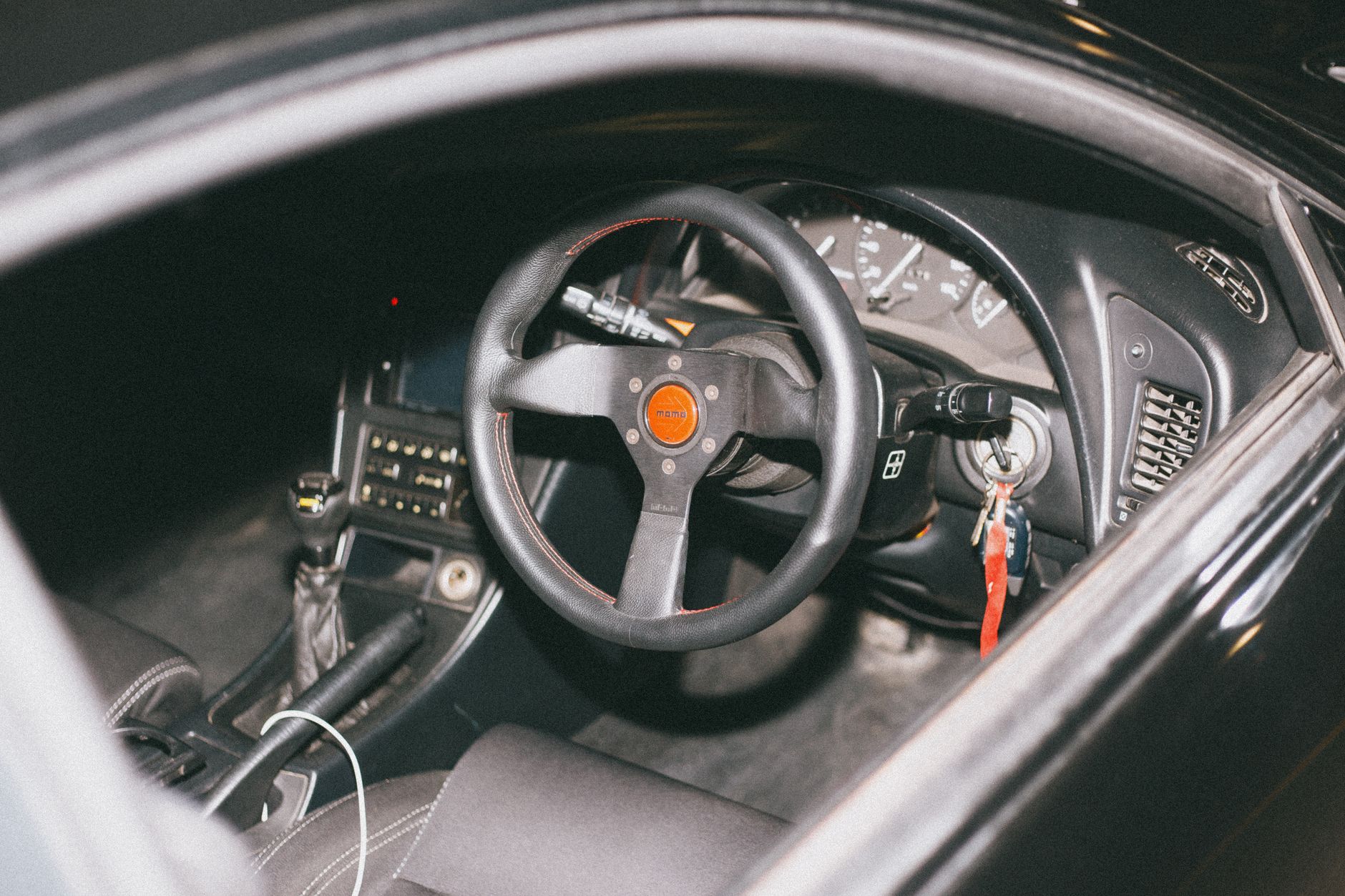
Half the panic in early lessons is really just the clutch. Get the bite point into your foot and most of it disappears, because nearly everything that felt like a disaster was clumsy clutch work and nothing more.
What the bite point is
As you lift the clutch pedal, at some point the engine and the wheels start to meet. The car dips its nose a touch, the engine note drops, and you feel it come alive under you. That is the bite. It is a feel, not a number, and you find it with your left foot and your ears, not by staring down at the pedal. Hold the car there, on a flat road, until finding it takes no thought from you at all.
The hill start
Picture it properly. You are third in a queue at a hill junction, and Dublin 15 has no shortage of them. Handbrake on, because you were taught right. The light goes green, the two ahead pull away, and you need the bite point, a bit of gas, and the handbrake off, all inside about a second and a half, or the car rolls back toward the fella behind who is already regretting his morning. Do it in the right order. Bite first, then gas held steady, then release the brake as the car strains forward against it. Rush the order and you either stall or roll. Practise it on a real hill with a real gradient, not a gentle slope in an estate.
The order that works
- 1
- Clutch up to the bite, feel the car settle.
- 2
- A little gas, held steady, the engine note lifts.
- 3
- Release the handbrake as the car pulls against it.
- 4
- Ease the clutch the rest of the way and roll on.
The stall that is not the problem
Here is the thing about stalling. It is fine. It is a nothing event. You stall at the lights, the car behind gives a beep, your face goes red, you panic-start, over-rev, kangaroo forward and stall again. None of that was the stall. The stall was over in a second. Everything after the beep is the actual problem, and the beep is the thing you have to learn not to hear. Handbrake on, breathe, clutch and gas, move off properly. The fella behind will live.
Nobody fails a test for one clean stall calmly recovered. People fail for the chaos that comes after a stall they let rattle them. Learn to recover slowly and the stall stops mattering at all.
Clutch control is the first real skill in the twelve EDT lessons, and once it is in your foot the junctions and the roundabouts get a great deal calmer, because your hands and eyes are then free to do their own job instead of babysitting your left foot.