Guide
How The Driving Test Actually Works
Nobody sits you down and talks you through the day at Finglas, so you build it up in your head into something far worse than it is. Here is the whole thing, start to finish, the way it actually runs.
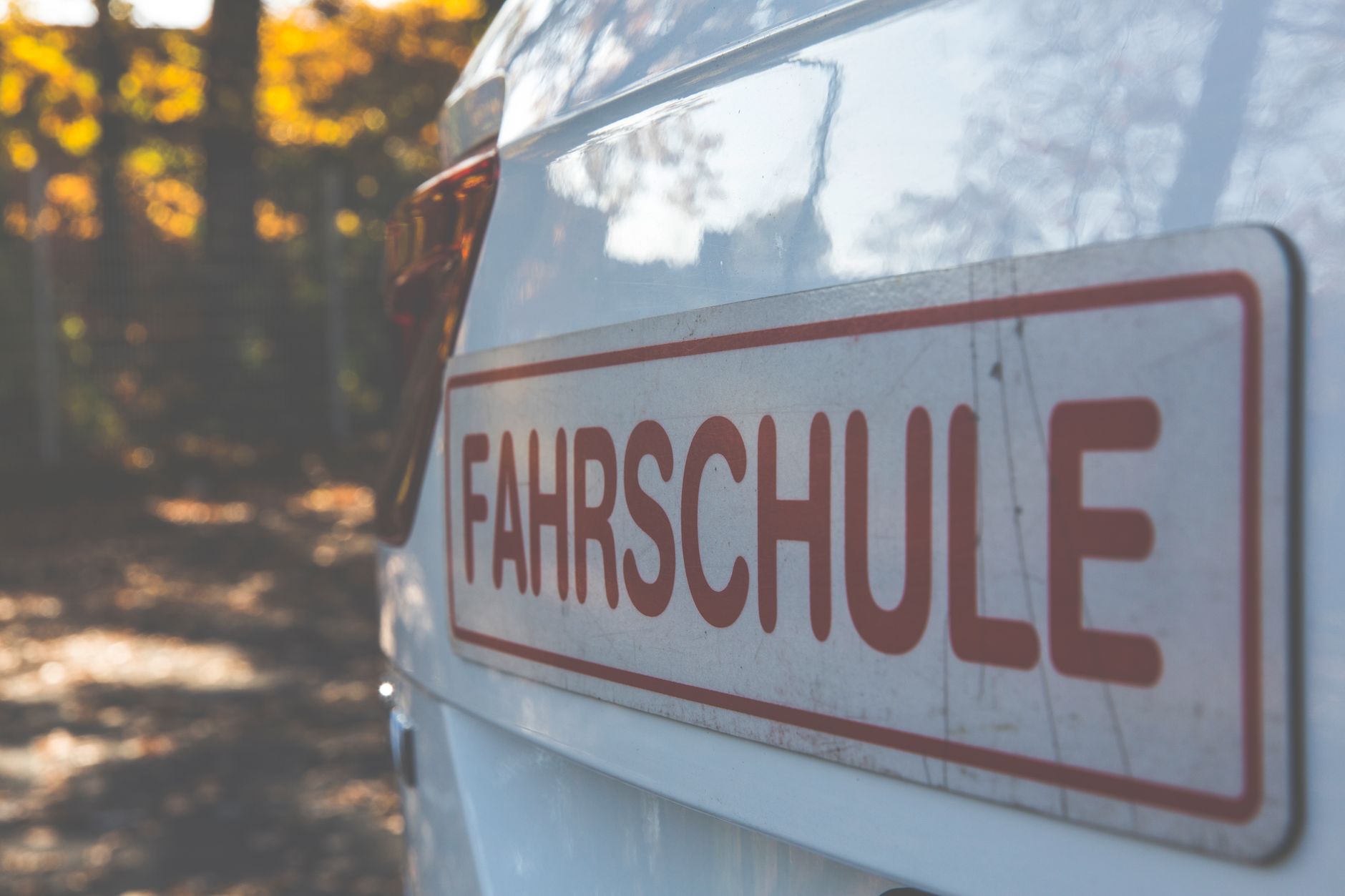
The test runs about forty minutes and it follows the same shape every time, whether you sit it at Finglas or anywhere else. Once you know the shape, the fear has a lot less to hold on to.
Before you drive
You check in with your permit and your paperwork. The car has to be roadworthy, taxed, insured, L-plates front and back, lights working and no warning lamp lit on the dash. A car that is not right can end the test before it starts. Then the eyesight check, reading a registration plate across the car park, and a few technical questions on the rules and on the car itself, where the demister is, what a particular warning light means.
On the road
The tester gives you clear, calm directions. Left at the next junction, follow the road ahead, that sort of thing. There are no trick turns and there is no secret quota of fails to hit, whatever you were told in the pub. You will do general driving through a mix of roads and at least one manoeuvre, usually a reverse around a corner or a turnabout, sometimes a hill start. Somewhere in there they will want to see a controlled stop or how you react to a hazard.
The shape of it
- Length
- Around forty minutes, door to door.
- Eyesight
- Read a plate across the car park.
- Questions
- A few on the rules of the road and the car controls.
- Manoeuvres
- Reverse around a corner, turnabout, sometimes a hill start.
How faults are marked
Every mistake is graded. A grade one is a minor fault and you are allowed a certain number of them. A grade two is more serious, and enough grade twos in the same category will fail you. A grade three is a single, serious, dangerous fault, and one of those fails you on its own, because it is the kind of thing that gets somebody hurt at a live junction. Rolling over a stop line is a grade three. Cutting across a lane on a roundabout is a grade three. The reason they carry that weight is not the tester being harsh, it is the road being unforgiving.
The tester is not paid to fail you and there is no hidden quota. Drive safely for forty minutes and you pass. Do one genuinely dangerous thing and you do not. That is the road setting the bar, not the man in the passenger seat.
After
You get the result there and then, with a sheet showing where the faults landed. Pass and you can apply for your full licence. Fail and, honestly, book the resit before you leave the car park, because the wait for a fresh slot is the real cost. The faults that catch most people are laid out in the guide on common faults, and the run-up to all of it is the twelve EDT lessons.