Late-night roads
Home to Clonsilla after midnight
After midnight on the way home to Clonsilla, you've less light, more glare and a tired head. Here's how the road drives at that hour.
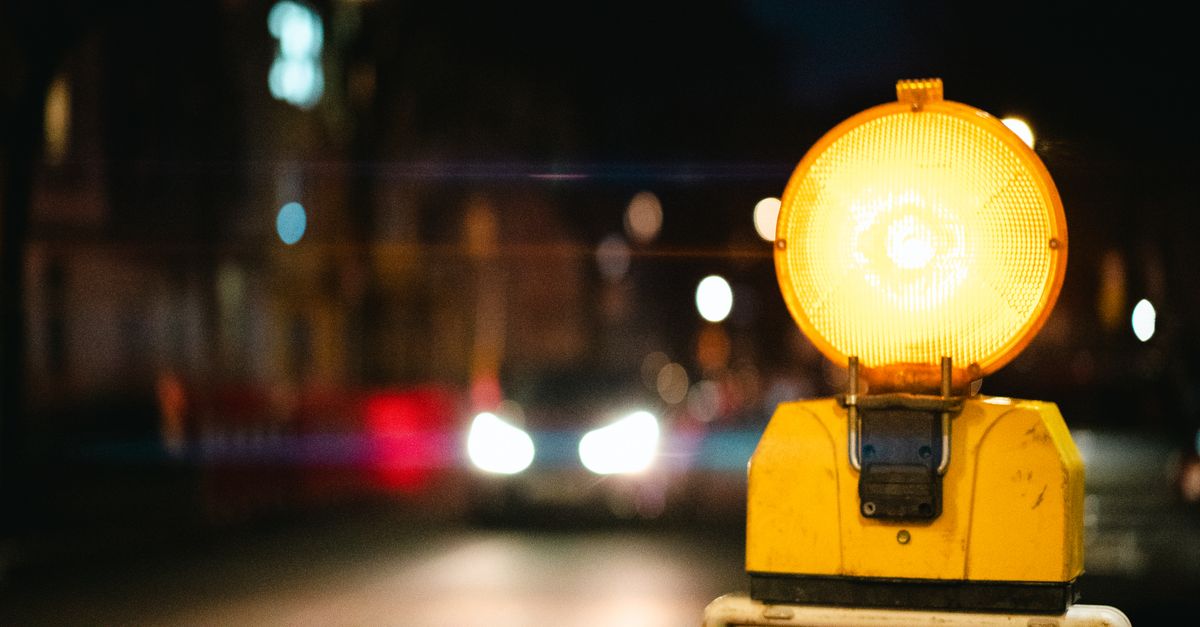
Hit night roadworks on the way home to Clonsilla, and you'll see what the road's like after dark. There's a lane of cones and orange lamps blinking through the windscreen. It's gone midnight, you've just finished a late shift in Blanchardstown, and all you want is your bed. The daytime road's gone. You've only got what your lights can reach. That isn't much.
On paper it's the easiest drive of the day. The roads are empty, the lights are green, and nobody's in front of you. But empty doesn't mean clear. A quiet road tempts people to go quicker than they'd go at rush hour. Someone always does, and some nights it's you.
First it's the lights coming the other way. There's always someone with full beams on, or a headlamp that's far too bright for the car it's in. A retrofitted LED headlamp can cause glare that dazzles, and that's illegal under the lighting regulations. You can't fix theirs. Drop your eyes to the left edge of the road until they've passed, and don't flash them back.
Then there's the car behind with its rear fog lights on in clear weather. Fog lights, front or rear, shouldn't go on unless you can see less than 100 metres. If yours are still on from the last foggy morning, you're the one dazzling the driver behind.
Next, there's people walking home. On a Friday night someone's always walking back from a mate's house in Coolmine, dark coat, head down. They're meant to wear reflective gear and carry a torch at night. Plenty don't. You won't see them until late. Where there's no footpath, they're meant to be on the right, facing you. That's where to look.
RSA research for 2021 to 2025 found that, on average, 36 pedestrians died on Irish roads each year and 332 were seriously injured. Those deaths and serious injuries rise every year from October to December.
Then there's the bike coming back from Castleknock after a late shift. In the dark, the law says a bike needs a white light up front and a red light and reflector behind. Not every bike has them. Don't bank on seeing one early.
And the last few minutes are the ones that catch people out. You're nearly home, you can't keep your eyes open, and you tell yourself it's only up the road. Being nearly home doesn't mean you're fine to keep going. Winding the window down and turning the radio up won't fix it either. Those tricks don't last long.
So what do you do when you're wrecked and still miles out? You stop. Pull in somewhere safe, have a coffee, and take a short nap. The RSA suggests keeping it to 15 to 20 minutes, because caffeine takes about 20 minutes to kick in. It's a pain, and you'll be home later than you'd planned. That's a small cost next to what tired driving can do. Better again, don't start a long drive after a late one at all. Gardaí suggest planning around the hours after midnight where you can. On a longer run, take a break at least every 2 hours. And get your dipped lights on at dusk, not when it's already pitch dark. The rules say headlights go on whenever failing light or the weather makes them necessary, even in daytime.
There's more on driving at night, and the rest of the late roads are under late-night roads. Got someone on L plates at home? Have a read of learning to drive around Dublin.
Night doesn't make a road busier. It makes you see less and feel more tired, so everything needs more time and more room.
So when you're past the cones after midnight, with your bed in sight, ease off. The road home to Clonsilla will still be the road home to Clonsilla, just a few minutes later.